Old Money Aesthetic: Capsule Wardrobe & Outfit Formulas
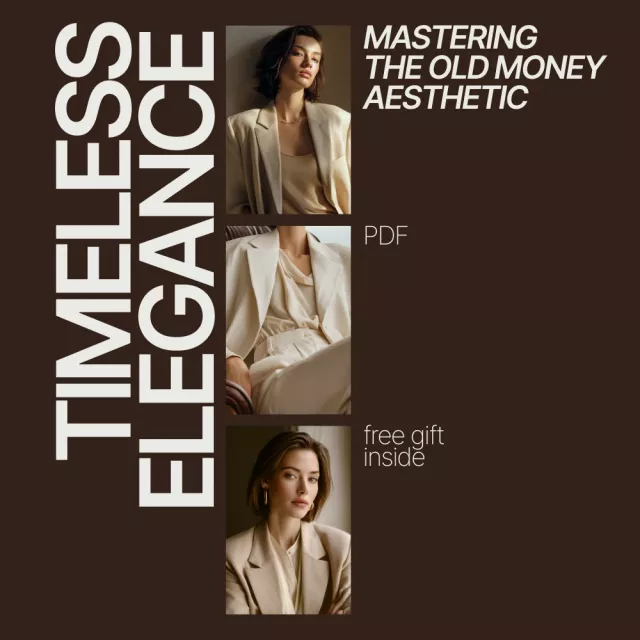
Timeless Elegance: Mastering the Old Money Aesthetic
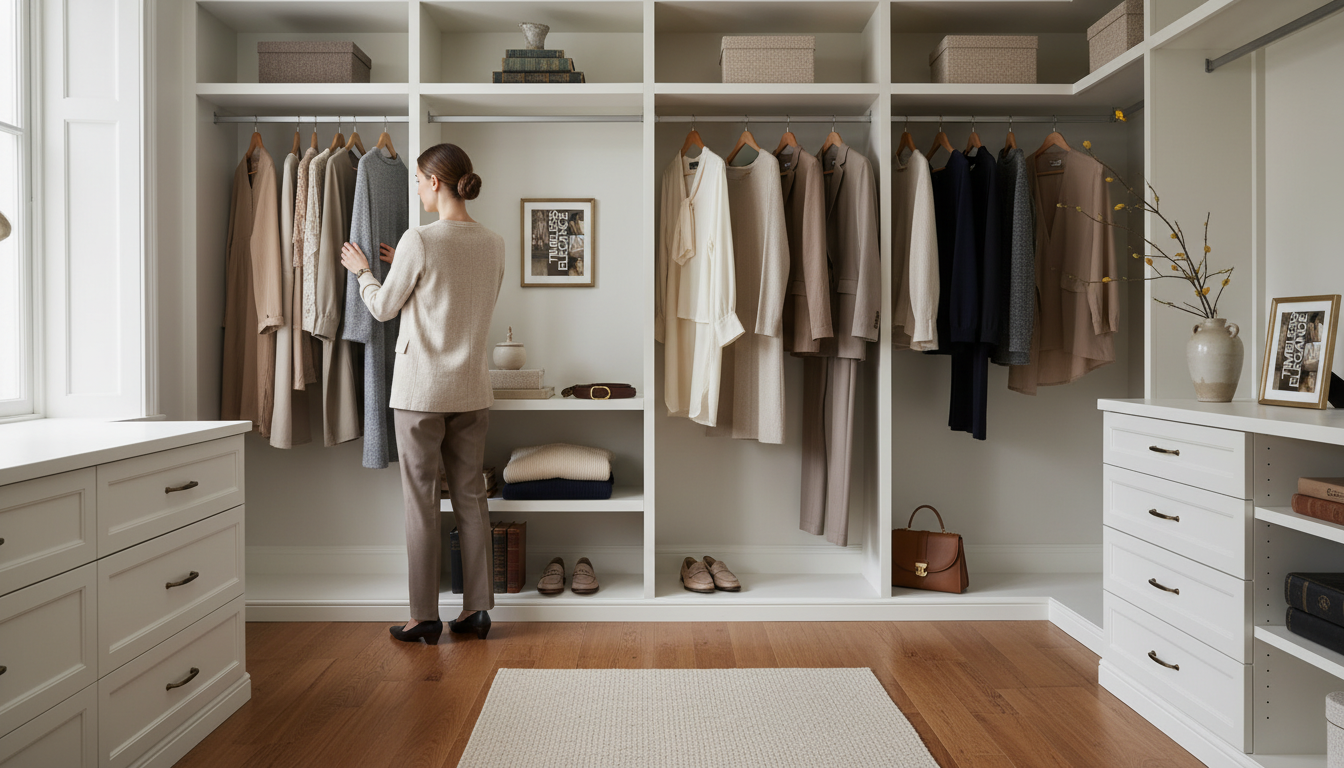
The old money aesthetic is less about trends and more about restraint: impeccable fit, refined materials, quiet colors, and polished details that look appropriate almost anywhere. The goal is a wardrobe that feels inherited—simple, intentional, and consistently well-kept.
What the Old Money Look Communicates
At its best, the old money look reads as calm, capable, and considered—never loud, never rushed. It’s the kind of style that blends into elevated spaces because it’s built on the same principles: discretion, quality, and continuity.
- Understated confidence: clean lines, minimal logos, and pieces that don’t compete for attention.
- Quality over quantity: fewer items, better fabrics, and careful maintenance.
- Consistency across settings: outfits that transition from day to evening without looking “styled.”
For a deeper, step-by-step approach to building looks that feel classic (not costume), consider Timeless Elegance: Mastering the Old Money Aesthetic – A Classic Style Guide for How to Dress in the Old Money Aesthetic.
The Foundation: Color Palette and Fabric Choices
Color and fabric do most of the work in this aesthetic. The palette stays grounded, while the materials quietly signal longevity.
- Core neutrals: navy, cream, camel, chocolate, charcoal, crisp white, and soft black.
- Classic patterns in moderation: pinstripes, houndstooth, subtle checks, Breton stripes.
- Fabrics that age well: wool, cashmere, cotton poplin, linen, silk, tweed, and quality denim.
- Texture mixing done quietly: cashmere with cotton, tweed with silk, linen with smooth leather.
If a fabric looks better slightly lived-in—like a great wool coat or a properly broken-in leather loafer—it belongs in the old money lane. Museums that archive historic dress, such as the Victoria and Albert Museum — Fashion and The Metropolitan Museum of Art — The Costume Institute, showcase how enduring design often relies on material and proportion over flash.
Silhouette Rules: Fit, Proportion, and Tailoring
Even the simplest outfit looks elevated when the fit is deliberate. This aesthetic favors structure, balance, and ease—nothing strained, nothing sloppy.
- Prioritize fit at the shoulders, waist, and hems; tailoring elevates even simple basics.
- Choose structured layers: blazers, trench coats, wool coats, and knitwear that holds shape.
- Avoid extremes: skip overly tight or overly oversized pieces; aim for clean drape and ease.
- Keep lengths intentional: trousers skimming the shoe, skirts at a classic midi, sleeves that show a hint of cuff.
Tailoring isn’t about making everything skin-tight—it’s about aligning garments to your frame so they hang neatly. For background on the craft and why it matters, see Encyclopaedia Britannica — Tailoring.
A Practical Capsule Wardrobe (Start Here)
A capsule wardrobe helps you repeat strong combinations without looking repetitive. The trick is choosing pieces that “talk” to each other: shared tones, compatible formality, and similar levels of structure.
- Build around repeatable outfits: a blazer + knit + trousers combination should work on multiple days with small changes.
- Select 2–3 signature items: a navy blazer, a camel coat, or a quality loafer that anchors most looks.
- Add one polished casual lane: dark denim, a striped top, and a refined sneaker for weekends.
Old Money Capsule Essentials
| Category | Core Picks | Go-To Colors | Best Occasions |
|---|---|---|---|
| Outerwear | Trench coat; wool topcoat | Beige; camel; navy | Work, travel, evenings |
| Tailoring | Navy blazer; classic trousers | Navy; charcoal; cream | Meetings, dinners, events |
| Knitwear | Crewneck; cardigan; turtleneck | Cream; grey; navy | Layering, office, weekends |
| Shirts & Tops | White button-down; striped tee | White; navy/white | Everyday polish |
| Bottoms | Straight-leg trousers; dark denim | Charcoal; deep indigo | Day-to-night, casual |
| Shoes | Loafers; ballet flats/oxfords; low heel | Black; brown; burgundy | Smart casual, formal casual |
| Accessories | Leather belt; silk scarf; classic watch | Brown/black leather; muted tones | Finishing touches |
To make the capsule practical beyond your closet—especially when you’re shopping intentionally—pair style planning with budget planning. A simple tool like How to Build a Budget in Excel (Even If You’re Not a Numbers Person) can help prioritize tailoring, repairs, and one excellent “hero” purchase over frequent impulse buys.
Outfit Formulas That Always Look Appropriate
Outfit formulas keep the aesthetic consistent because they’re built on proven proportions. The goal is to look “ready” without looking overly curated.
- Daytime polished: button-down + straight trousers + loafers + simple belt.
- Weekend refined: striped tee + dark denim + cardigan + clean sneakers or loafers.
- Evening understated: black or navy knit + tailored trousers or midi skirt + low heel + small clutch.
- Seasonal swaps: linen in summer, wool and cashmere in winter; keep the same silhouettes.
Travel is where these formulas really shine: a navy knit, tailored pants, and a loafer can cover meetings, dinners, and museum days with minimal changes. For planning a trip wardrobe without overpacking, Mastering the Art of a Flexible Travel Schedule pairs well with a capsule mindset—fewer pieces, more combinations, less decision fatigue.
Accessories, Grooming, and the “Quiet Details”
The difference between “classic” and “old money” often lives in the finishing touches. Details shouldn’t sparkle from across the room—they should hold up on close inspection.
Common Missteps That Break the Illusion
FAQ
Does the old money aesthetic require expensive brands?
No—this look depends more on fit, fabric, and restraint than on labels. Prioritize tailoring, choose timeless colors, and buy fewer pieces with better materials so your wardrobe stays consistent and polished.
What are the easiest pieces to start with?
A navy blazer (or structured cardigan), a crisp white button-down, straight-leg trousers, dark denim, and loafers create repeatable outfits immediately. Once those anchors are in place, add one excellent coat and a refined knit for layering.
How can this style work in hot weather?
Use breathable fabrics like linen and cotton poplin, stick to lighter neutrals, and keep layers minimal while maintaining clean silhouettes. A lightweight loafer or flat and a pressed shirt go a long way when temperatures rise.








Leave a comment