10-Piece Capsule Wardrobe: Build Outfits in Minutes
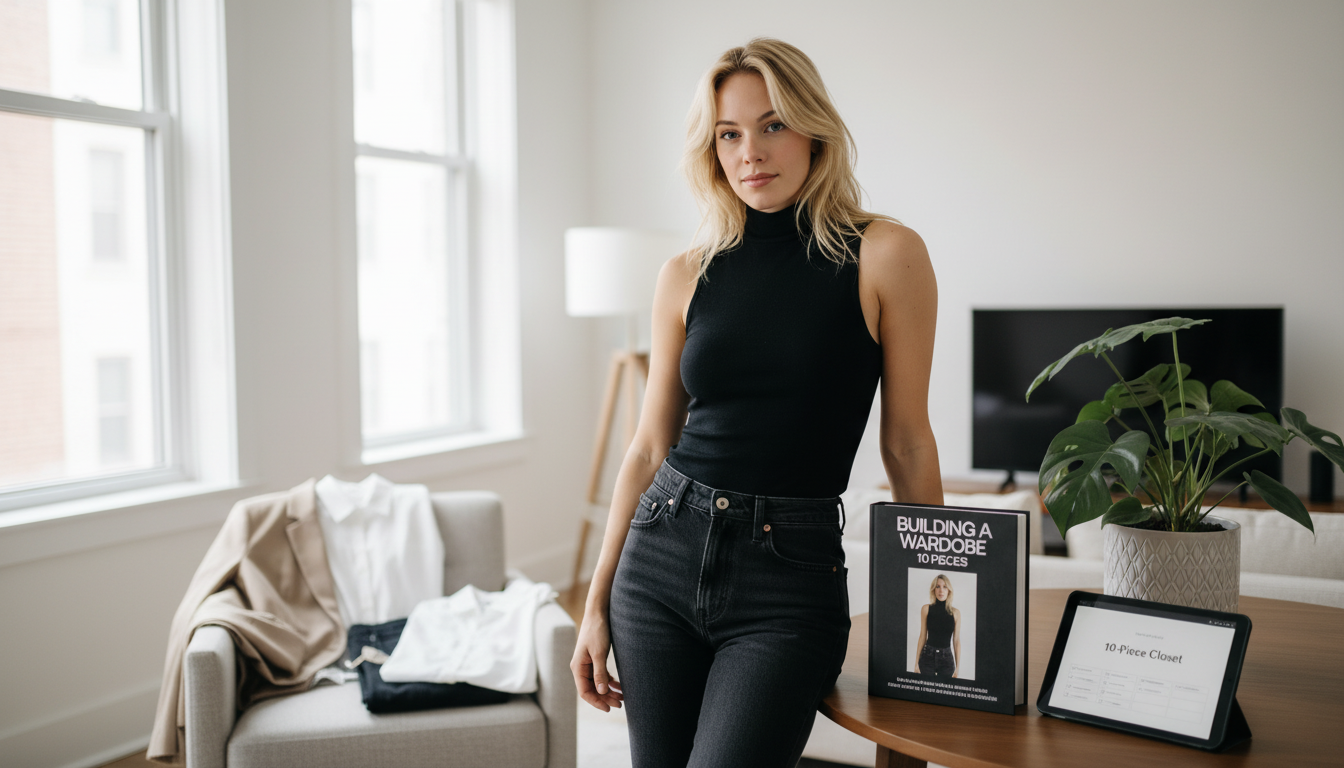
Building a Wardrobe with Just 10 Pieces: A Simple Capsule Plan for Easier Outfit Choices
A 10-piece capsule wardrobe focuses on a small set of mix-and-match essentials that fit daily life, climate, and personal style. With fewer choices, getting dressed becomes faster, purchases become more intentional, and outfits feel more consistent—without feeling repetitive.
What a 10-piece capsule wardrobe is (and what it isn’t)
A capsule wardrobe is a tightly edited set of clothing that works together across most occasions. “10 pieces” usually means your core garments—tops, bottoms, layers, and a dress or jumpsuit—though some people also count shoes and bags. The key is consistency: decide your rules upfront and stick to them so planning stays simple.
The goal is versatility. Each item should pair with multiple others so you can create a surprisingly wide rotation from a small lineup. A capsule also isn’t a uniform: color, silhouette, and details can still reflect a bold, creative, or feminine style. The best results come from choosing pieces that match real routines (commutes, meetings, school runs, dinners) rather than an idealized lifestyle that rarely happens.
Start with your “repeatable week”: lifestyle, laundry, and climate
Before picking pieces, map what you actually wear for most of the week. Start with the top three places you spend time in clothes—office, home, errands, campus, client meetings, travel days, or social plans. Next, be honest about laundry. A 10-piece wardrobe can work beautifully with weekly washing, but it’s easier when fabrics are forgiving (knits that don’t wrinkle, darker colors that don’t show wear quickly, and machine-washable basics).
Climate is the difference between a capsule that feels effortless and one that feels like a struggle. If your days swing from cold mornings to warm afternoons, prioritize layers. If it rains often, make sure at least one layer and one shoe option can handle wet sidewalks. For warm weather, breathable fabrics and looser silhouettes keep the capsule comfortable.
For color, choose 2–3 core neutrals (like black, navy, cream, gray, or olive) plus 1–2 accents that work with everything. Then add 1–2 signature style cues—structured tailoring, relaxed silhouettes, monochrome dressing, or romantic details—so the capsule looks cohesive even when you’re repeating items.
Choose the 10 pieces: a balanced mix that multiplies outfits
A strong 10-piece capsule typically includes a mix of tops, bottoms, at least one polished layer, and one “pull-on and go” option (dress or jumpsuit). Fit and comfort matter more than almost anything else; a piece that needs constant adjusting won’t feel versatile, and it will get skipped.
Match fabrics to your season and your care preferences. If you know dry cleaning won’t happen regularly, build around easy-care materials. Also consider proportions: fitted tops pair well with relaxed bottoms, cropped layers work smoothly with high-rise jeans, and a slightly longer blazer can instantly sharpen casual basics.
Example 10-Piece Capsule (Core Garments)
| Category | Piece | Why it earns a spot | Outfit pairings to test |
|---|---|---|---|
| Top | Everyday tee (neutral) | Base layer for casual and dressed-up looks | With jeans, with skirt/trousers, under blazer |
| Top | Button-down or elevated blouse | Instantly looks intentional | Half-tucked with jeans, layered under knit, open as light layer |
| Top | Lightweight knit or sweater | Warmth without bulk | With trousers, over dress, with denim |
| Bottom | Straight-leg jeans | Reliable casual base | With tee + blazer, with blouse, with knit |
| Bottom | Tailored trousers | Work-ready and versatile | With tee + loafers, with knit, with blouse |
| Bottom | Skirt or shorts (seasonal) | Adds variety and movement | With tee, with blouse, with knit |
| Layer | Blazer or structured jacket | Polishes any outfit quickly | Over tee, over blouse, with jeans/trousers |
| Layer | Cardigan or casual jacket | Relaxed layering option | With tee, with knit, over dress |
| One-piece | Day-to-night dress or jumpsuit | One step outfit | With blazer, with cardigan, with sneakers/boots |
| Shoes (optional) | Go-to pair (sneakers/boots/loafers) | Grounds the whole capsule | Test with every bottom + the one-piece |
Outfit formulas that prevent “nothing to wear” days
Closet edit: how to decide what stays, stores, or goes
Shopping rules for maintaining a minimalist closet
For a bigger-picture view of why buying fewer, better pieces matters, these organizations share practical research on textiles and circularity: UN Environment Programme, Ellen MacArthur Foundation, and WRAP.
A ready-made checklist and planning download for building your 10-piece wardrobe
If you want a structured way to pick categories, avoid duplicates, and confirm outfit pairings, use a guided framework that’s easy to repeat each season. Building a Wardrobe with Just 10 Pieces – capsule wardrobe guide and checklist download is designed to be practical: choose pieces, verify compatibility, and pre-plan outfits so mornings take less effort.
For adjacent planning that supports a “less clutter, more clarity” lifestyle, these digital guides can pair well with a capsule approach: How to Build a Budget in Excel (Even If You’re Not a Numbers Person) and Mastering the Art of a Flexible Travel Schedule.
FAQ
Do shoes and accessories count in a 10-piece capsule wardrobe?
Methods vary. Many people count only core garments and treat shoes and accessories as supporting items; others include shoes in the total. Pick one approach upfront and keep it consistent so your planning stays clear.
How many outfits can a 10-piece wardrobe create?
Realistically, you can build dozens of combinations by rotating tops, bottoms, and layers, especially if you rely on a few repeatable outfit formulas. Repeats are normal, and small styling changes can make the same pieces feel fresh.
What if my job requires a different dress code than my weekend life?
Split the capsule by function (for example, 6 work-leaning pieces and 4 casual pieces), or build a crossover core like trousers, a blazer, and an elevated top—then add one or two role-specific items for weekends.








Leave a comment