Balkans Trip Planning: Borders, Money, Routes & Etiquette
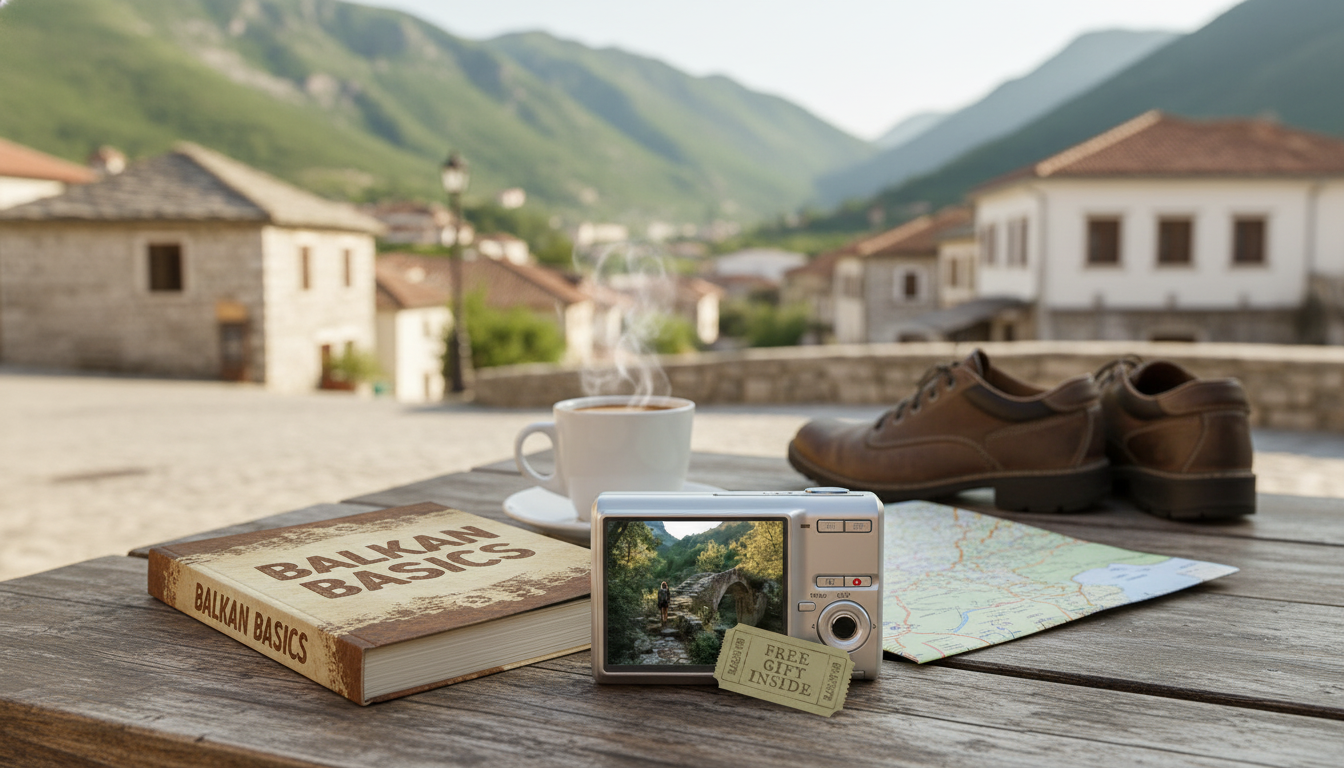
Balkan Basics, No Guesswork: What to Know Before You Go
A Balkans trip gets easier the moment the big unknowns are handled: borders, cash, local etiquette, and how to stitch cities together without losing days in transit. Use the guide below as a practical backbone—then tailor it to the countries and pace that fit your trip.
Quick prep checklist before booking anything
- Confirm which countries are on your route and whether they’re in Schengen; plan entry/exit order around visa rules and allowed stays.
- Check passport validity requirements and whether a national ID is accepted for certain travelers (rules vary by citizenship).
- Decide your travel style early: coast-focused, capitals-and-history, mountains-and-national-parks, or a hybrid loop.
- Lock in the two anchors first: arrival city and departure city; build the route between them instead of hopping randomly.
- Identify time sinks (long bus rides, border waits, seasonal ferry schedules) and reduce the number of one-night stops.
- Create a simple document kit: digital copies of passport, insurance, reservations, and emergency contacts accessible offline.
For up-to-date entry guidance, double-check official resources shortly before departure, such as the U.S. Department of State – International Travel and the UK Foreign, Commonwealth & Development Office – Foreign travel advice.
Culture basics that prevent awkward moments
- Greeting and tone: A friendly, straightforward approach is appreciated; in more traditional areas, keep first interactions polite and slightly formal.
- Dress expectations: Pack one modest outfit for religious sites and smaller towns; beachwear stays at the beach.
- Smoking and café culture: In some places, smoking around outdoor seating is common; choose non-smoking areas when available.
- Dining rhythm: Dinners can start later, and slow meals are normal—plan transit and tours accordingly.
- Sensitive topics: Recent history and politics can be personal; follow locals’ lead and avoid assuming shared viewpoints.
- Tipping: Norms vary by country and venue; keep small bills/coins to tip discreetly when service is good.
One small adjustment that helps: when entering churches, monasteries, or mosques, assume quieter voices, covered shoulders, and no “quick snack break” inside. It keeps interactions smooth everywhere from major capitals to rural villages.
Money, payments, and budgeting without surprises
- Expect a mix of currencies across the region; avoid converting large amounts at borders unless necessary.
- Carry a small cash buffer for buses, small cafés, market stalls, and guesthouses that prefer cash.
- Use ATMs from reputable banks; decline dynamic currency conversion (pay in local currency) when prompted.
- Split funds: one primary card, one backup card stored separately, and a small emergency cash stash.
- Plan for extra line items: city taxes, highway tolls, luggage fees on buses, and cash-only attractions.
If you like to sanity-check exchange rates before withdrawing or paying, the European Central Bank’s euro reference rates are a solid baseline (especially useful when parts of your route use the euro and others don’t).
Common payment realities by travel scenario (use as a packing-and-cash guide)
| Scenario | What usually works best | What to prepare | Common gotcha |
|---|---|---|---|
| Intercity buses and minivans | Cash (sometimes card online for tickets) | Small bills, offline screenshot of ticket | Station kiosks or drivers may not break large notes |
| Restaurants in major cities | Card + tip in cash | Coins/small notes for tipping | Card terminals can be down; ask before ordering |
| Old towns, markets, small towns | Cash | Daily cash budget and secure pouch | Fewer ATMs; weekend/evening access can be limited |
| Border areas and stops | Local currency cash | Only what is needed for snacks/fees | Poor exchange rates and limited ATM choice |
Routes that make sense: building a trip that flows
Getting around: buses, trains, ferries, and cars
Safety, health, and practical connectivity
A simple way to use this guide without overplanning
Recommended digital guides for smoother planning
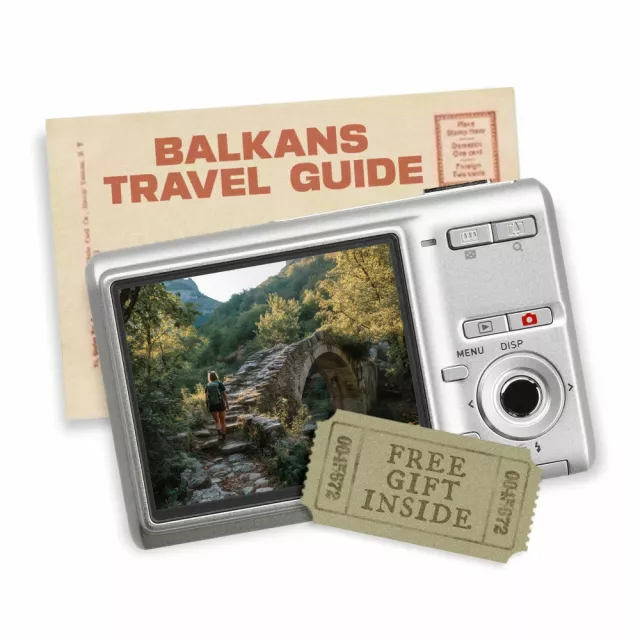
- Balkan Basics, No Guesswork – Essential Balkans Travel Guide | What to Know Before You Go | Smart Planning, Culture, Money & Routes (a practical backbone for borders, money, etiquette, and route logic).
- Mastering the Art of a Flexible Travel Schedule | Digital Guide for Modern Explorers | Learn How to Create a Flexible Travel Schedule with Ease (helpful for building buffer time without losing the trip’s momentum).
- How to Build a Budget in Excel (Even If You’re Not a Numbers Person) | Easy Guide for Beginners | How to Make a Budget Excel Sheet Template (useful if you want a clear, adjustable trip budget that accounts for transport and cash-only moments).
FAQ
How much cash should be carried day to day in the Balkans?
A practical range is enough for a full day of small purchases and local transport, plus a small buffer—often the equivalent of $20–$60 in local currency depending on your style and destination. Keep an emergency reserve separate, withdraw from bank ATMs when possible, and always choose to pay in the local currency if prompted.
Is it easy to cross borders between Balkan countries?
It depends on your citizenship, the specific border, and the season. Some crossings are quick, while others involve longer waits and document checks—planning daylight crossings and adding buffer time helps avoid cascading delays.
Is it better to rent a car or use buses for a multi-country route?
Buses are usually simplest for major city-to-city legs, especially when parking and border paperwork would slow you down. Renting a car can be worth it for rural regions, national parks, and small towns—just confirm cross-border rules, insurance, tolls/vignettes, and city driving/parking realities.













Leave a comment