Pediatric Checkups Made Easy: Prep, Visits & Planning
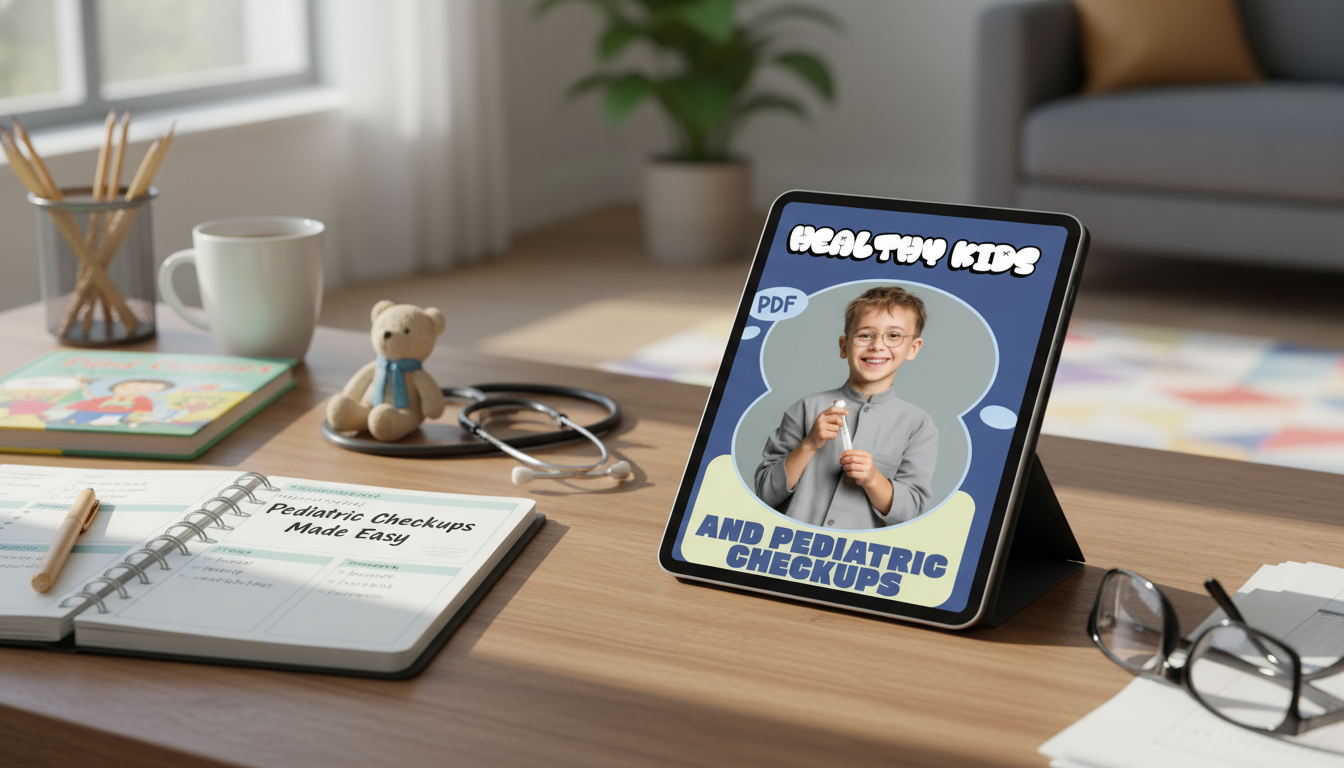
Healthy Kids and Pediatric Checkups: A Parent’s Digital Guide to Preventive Care and Smart Planning
Regular pediatric visits do more than confirm height and weight—they help spot concerns early, keep immunizations on track, and give parents a structured place to ask the questions that are easy to forget at home. This guide focuses on how to prepare, what typically happens at different ages, and how to build a simple planning system that reduces last‑minute stress and supports long-term wellness.
What pediatric checkups are designed to do
Well-child visits (also called pediatric checkups) are a preventive-care “checkpoint” that helps families and clinicians make decisions based on patterns, not guesswork.
- Track growth and development patterns over time rather than relying on a single visit.
- Screen for common concerns (vision, hearing, anemia risk, lead exposure, developmental or behavioral flags) based on age and risk factors.
- Keep immunizations current and document them for school, childcare, camps, and travel (see the CDC immunization schedules for the current framework).
- Create a routine space to discuss sleep, nutrition, activity, safety, and mental health.
- Build a relationship with the pediatric team so sick visits and urgent questions are easier to navigate.
Many practices also align counseling and screenings with evidence-based guidance such as the American Academy of Pediatrics (AAP) Bright Futures Guidelines.
How often kids usually need well visits
Visit frequency changes as children grow. Babies are seen more often because development is rapid and the vaccine schedule is front-loaded; older kids and teens commonly move to annual checkups.
- Infants typically have more frequent visits due to rapid growth and vaccine schedules; older kids and teens usually shift to annual checkups.
- Insurance plans often cover preventive visits; confirm whether vision, dental, or specific lab screenings are billed separately.
- If a child has a chronic condition (asthma, ADHD, diabetes, frequent ear infections), additional follow-ups may be recommended beyond routine well visits.
Common well-visit rhythm and what parents can plan for
| Age range | Typical visit timing | Often emphasized at the visit | Parent planning tip |
|---|---|---|---|
| Newborn–12 months | Multiple visits in the first year | Feeding, sleep, growth, vaccines, developmental milestones | Keep a running list of questions in a notes app; bring feeding/sleep logs if helpful |
| 1–4 years | Regular well visits (often yearly) plus catch-up vaccines as needed | Language and social development, safety, behavior, potty training, sleep routines | Bring daycare/preschool forms early to avoid last-minute rush |
| 5–10 years | Annual checkups | School performance, vision/hearing checks, activity, nutrition, bullying | Ask about sports readiness and any needed school accommodations |
| 11–18 years | Annual checkups | Puberty, mental health, risk reduction, confidential teen questions, vaccines | Consider giving teens time to speak with the clinician privately if appropriate |
A simple pre-visit checklist that prevents missed questions
A few minutes of prep can turn a rushed appointment into a clear, productive conversation—especially when multiple topics compete for attention.
- Log concerns with examples: when it happens, frequency, triggers, what helps, and what makes it worse.
- Bring essentials: insurance card, ID, preferred pharmacy, immunization record (if not in the portal), medication list and doses, allergy list.
- Collect relevant context: recent urgent care/ER visits, specialist notes, therapy updates, school/daycare feedback, teacher observations.
- Prepare measurements and history: sleep schedule, typical diet, bowel habits, activity level, screen time, recent travel, new pets or exposures.
- Decide priorities: list the top 3 questions to cover first in case time runs short.
If your concern is complicated (for example: ongoing abdominal pain plus school avoidance plus sleep disruption), ask the office whether it’s better handled as a separate problem-focused visit so there’s enough time.
What happens during a typical pediatric checkup
- Vitals and growth: height/length, weight, BMI percentile (as age-appropriate), and blood pressure for older children.
- Development and behavior: age-based screening tools, school/learning check-ins, sleep and routine questions. Developmental milestone references like the CDC developmental milestones can help parents notice what’s typical and what deserves a closer look.
- Physical exam: head-to-toe assessment; discussion of any symptoms or concerns.
- Screenings and labs: vision/hearing checks; targeted screening tests depending on age, risk, and guidelines.
- Vaccines: review schedule, address questions, plan comfort strategies (topical numbing options, distraction, hydration).
- Guidance: nutrition, activity, dental care, safety (car seats/helmets), and mental well-being.
Preventive care between visits: small habits with big payoff
Smart health planning for kids: a lightweight system parents can maintain
A ready-to-use digital guide for parents who want checkups to feel organized
- Healthy Kids and Pediatric Checkups – Parent’s Digital Guide to Pediatric Checkups, Preventive Care, and Smart Health Planning for Kids (designed specifically for preventive care workflows, visit prep, and planning)
- Mastering the Art of a Flexible Travel Schedule (useful for coordinating appointments, school breaks, and travel without last-minute stress)
- How to Build a Budget in Excel (Even If You’re Not a Numbers Person) (helpful for tracking predictable annual expenses like copays, dental visits, and seasonal needs)
FAQ
What should be brought to a pediatric checkup?
Bring your insurance card, a current medication and allergy list with doses, and any outside records (urgent care, ER, or specialist notes). It also helps to bring school/daycare forms and a short list of your top concerns with examples and a timeline.
How can a child be prepared for vaccines or screenings?
Use a simple, age-appropriate explanation of what will happen, and bring a comfort item or distraction like a toy or video. If allowed, hydration and a small snack can help, and you can ask the clinic about topical numbing options and comfort positioning.
When should a well visit be scheduled if there are ongoing concerns?
Keep the routine checkup on the calendar, but consider a separate problem-focused visit if issues are complex, worsening, or need dedicated time. For guidance on how urgent something is, a non-urgent portal message to the clinic can help you choose the right next step.
















Leave a comment