Newborn Sleep Patterns: Science-Based Calm Routines
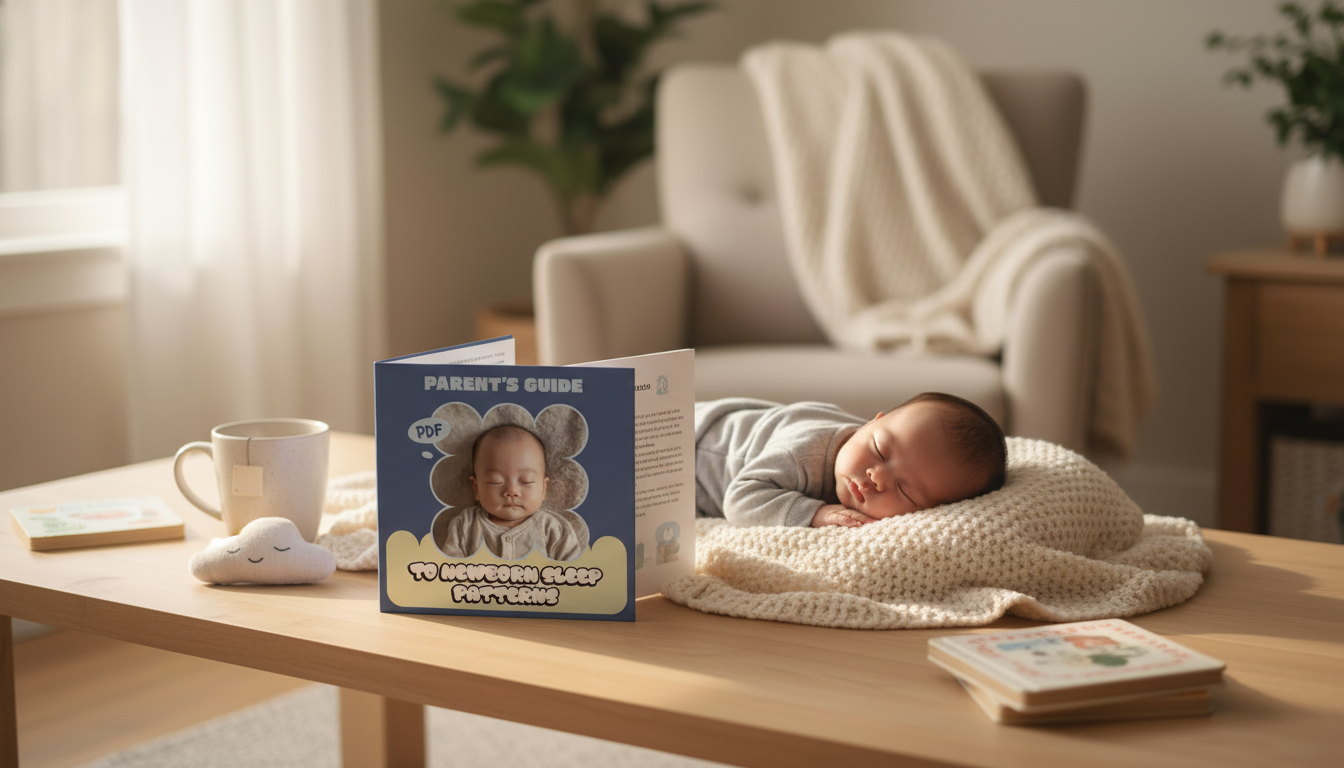
Parent’s Guide to Newborn Sleep Patterns: A Gentle, Science-Based Way to Build Calm Early Routines
Newborn sleep can feel unpredictable: short stretches, frequent waking, and days that blur into nights. That pattern is normal in the early weeks, and it’s shaped by rapidly developing biology—tiny stomachs, immature circadian rhythms, and a strong need for closeness and feeding. With a few calm, consistent cues and realistic expectations, families can reduce stress, protect rest where possible, and gently support longer stretches over time without forcing a strict schedule too early. For more guidance, see Helping baby sleep through the night – Mayo Clinic.
What Newborn Sleep Looks Like (and Why It’s So Different)
Newborn sleep rarely looks like “night sleep” right away. Instead, it arrives in many short bouts across a full 24 hours, and longer nighttime stretches usually develop gradually. For further reading, see Seven sleep training methods and what you need to know.
- Short, frequent sleep periods: Early sleep is driven more by hunger and comfort than the clock.
- More active (REM-like) sleep: Twitching, squirming, grunting, and brief stirrings are common and don’t always mean your baby is fully awake.
- Frequent waking isn’t a habit problem: It’s often hunger, normal arousals between cycles, or a need for reassurance—not “bad sleep.”
- Day/night confusion happens: Circadian rhythms take time to mature. Light exposure and steady cues can help this sort itself out.
Typical Sleep Patterns by Age: A Realistic Snapshot
Every baby is different, but many families find it helpful to compare their experience to broad ranges rather than fixed expectations.
| Age range | What sleep often looks like | Gentle focus | Helpful cues |
|---|---|---|---|
| 0–2 weeks | Many short sleep periods day and night; frequent feeding wakes | Prioritize recovery and feeding support | Dim lights at night; daytime brightness during wake windows |
| 2–8 weeks | Some longer nighttime stretches; naps remain irregular | Start simple, repeatable routines | Short bedtime sequence: feed, diaper, swaddle (if appropriate), settle |
| 2–4 months | More stable nights; naps begin to form patterns | Strengthen day/night cues and soothing consistency | Morning light, consistent bedtime, age-appropriate naps |
Keep in mind that temperament, feeding method, and growth spurts can temporarily change sleep. A rough week often reflects development, not that anything is “going wrong.”
The Science Behind Frequent Waking
- Small stomach capacity: Newborns need frequent feeds to support rapid growth, especially in the first weeks.
- Short sleep cycles: Babies surface between cycles more often than older children and adults, and some need help resettling.
- Overtiredness can backfire: Missing sleep can increase stress hormones, making it harder to settle and easier to wake.
- Leaps and spurts: Growth spurts, illness, and developmental changes commonly increase night waking temporarily.
Safe Sleep Foundations That Also Support Better Rest
When sleep is scarce, safety and simplicity matter. The most “effective” sleep setup is one you can repeat consistently without adding risk.
- Use a firm, flat sleep surface with a fitted sheet; keep the sleep space free of pillows, loose blankets, and stuffed toys.
- Place baby on their back for every sleep (naps and night).
- Room-sharing (not bed-sharing) is commonly recommended early on to reduce risk and make nighttime care easier.
- If swaddling is used, ensure it’s done correctly and stop at the first signs of rolling; follow pediatric guidance.
For safe-sleep guidance, see the American Academy of Pediatrics safe sleep recommendations and the CDC safe sleep information.
Building Calm Early Routines (Without Forcing a Schedule)
A newborn doesn’t need a strict timetable, but they can benefit from a short, repeatable sequence that signals “it’s time to rest.” Think cues, not clock times.
If you want a step-by-step approach you can reference during tired moments, Parent’s Guide to Newborn Sleep Patterns – Gentle, Science-Based Guide for Understanding Newborn Sleep Patterns & Building Calm Early Routines breaks down realistic expectations and easy routines you can repeat without forcing a strict schedule.
Gentle Settling Tools to Try (and When to Pause)
For households balancing care shifts, planning can reduce middle-of-the-night decision fatigue. A simple template from How to Build a Budget in Excel (Even If You’re Not a Numbers Person) can be repurposed to track supplies, feeding times, or shared responsibilities in one place.
Feeding, Sleep, and Night Waking: What’s Normal
When to Get Help
A Simple, Gentle Plan for the Next 7 Nights
If travel or visits add chaos, a lightweight planning approach can help you protect the basics (safe sleep setup, feeds, and a short wind-down). Mastering the Art of a Flexible Travel Schedule offers a practical way to keep routines flexible while still feeling organized.
FAQ
How many hours should a newborn sleep in 24 hours?
Many newborns sleep roughly 14–17 hours in a 24-hour day, but wide variation is normal. Total sleep is usually split into short stretches, with frequent waking for feeding and comfort—especially in the first weeks.
When do newborns start sleeping longer at night?
Longer nighttime stretches often emerge gradually over the first few months as circadian rhythms mature, but timing varies by baby. Growth spurts and developmental changes can temporarily increase night waking even after things improve.
Is it okay to start a bedtime routine with a newborn?
Yes—keep it short, calming, and flexible. Focus on repeating the same cues (like dim lights and a brief song) rather than aiming for a fixed bedtime or long routine.
















Leave a comment