Versatile Coat Guide: Color, Fit & Length That Match

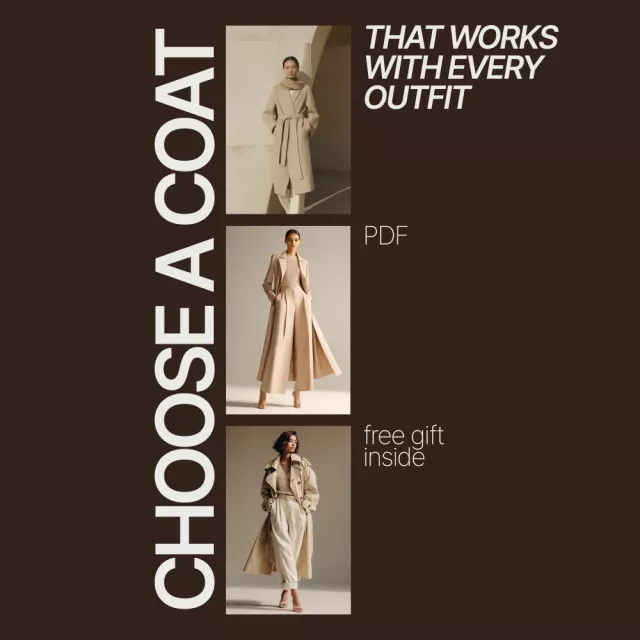
How to Choose a Coat That Works With Every Outfit
A truly versatile coat should flatter most of the wardrobe, handle the weather that actually shows up, and still look polished years from now. The right choice comes down to silhouette, length, color, fabric, and small details that either blend seamlessly with outfits—or fight them. When those fundamentals are right, getting dressed becomes simpler: the coat “finishes” jeans and sneakers just as easily as it elevates tailored pants or a dress.
Start with the role the coat needs to play
Before comparing fabrics or debating black versus camel, get specific about how the coat will be used. The most versatile option is the one that matches real life.
- List your top three coat situations (commute, weekends, travel, evenings) and rank them. If the coat will be worn five days a week to work, that matters more than the occasional dinner out.
- Match warmth to reality. For many closets, a mid-weight wool coat covers the widest range of cool-to-cold days. A lighter trench is ideal for rain and transitional weather. A dedicated puffer is excellent in deep winter but is often better as a second coat rather than the “works with every outfit” choice.
- Decide: statement or backdrop. Most do-it-all coats succeed as the backdrop—clean lines, minimal hardware, and a silhouette that doesn’t compete with the outfit underneath.
Choose a silhouette that layers cleanly
A coat can look perfect on a hanger and still feel wrong over real outfits. Versatility depends on how it moves and what it can comfortably fit underneath.
- Prioritize the shoulders. A structured shoulder tends to look polished, but there should be enough ease to fit a sweater or blazer without pulling across the back.
- Single-breasted is the easy all-rounder. It typically dresses up or down more naturally. Double-breasted can be timeless, but it often reads dressier and can feel bulky when fully buttoned.
- Check the sleeves and lining. A slightly wider armhole and a smooth lining help layers slide instead of bunching, especially over knits.
- Test movement. Raise your arms, sit, and button the coat. Comfort predicts frequency—if it’s annoying in the fitting room, it will be worse on a rushed morning.
Pick the most versatile length for your wardrobe
Length affects everything: proportions, warmth, and which outfits look intentional. A coat that “goes with everything” usually lands in a length that works with both pants and dresses without constant styling tricks.
- Hip-length: casual and great with denim and athleisure; less universal over dresses and tailored outfits.
- Mid-thigh to knee: one of the most flexible ranges for pairing with trousers, jeans, and most dress lengths.
- Below-knee to midi: elegant and polished, especially in colder climates; can overwhelm petite frames if very oversized.
- Use outfit ratios: aim for long over long (a longer coat over a midi skirt) or short over long (a cropped coat over a midi) for a clean line rather than a “nearly the same length” effect.
| Length | Best with | Watch-outs | Quick styling tip |
|---|---|---|---|
| Hip-length | Jeans, sneakers, casual knit sets | Can look abrupt over midi/maxi skirts | Keep the hem clean with straight-leg denim or tapered trousers |
| Mid-thigh | Workwear, denim, short-to-midi dresses | Too fitted can restrict layering | Choose a slightly relaxed fit for sweaters and blazers |
| Knee-length | Most outfits, including wide-leg pants and dresses | May feel formal if very tailored | Balance with casual shoes (loafers, clean sneakers) for everyday wear |
| Midi/Below-knee | Evening looks, tailored outfits, cold-weather layering | Can swallow petites if oversized | Add a defined waist (belt) or sleek monochrome base layer |
Nail the color: neutrals that blend, not fade
Prioritize fabric and construction for longevity
- Wool and wool blends: reliable for warmth, structure, and polish. For fiber and care basics, Woolmark’s guidance is a helpful reference: https://www.woolmark.com/.
- Trench materials: tightly woven cotton gabardine or a technical blend stands up to rain; look for a sturdy drape rather than a flimsy one.
- Insulation (for puffers): down is warm for its weight; synthetics often perform better in damp conditions. For layering and cold exposure basics, see the CDC’s cold weather safety resources: https://www.cdc.gov/disasters/winter/.
- Construction details that matter: full lining for smooth layering, reinforced seams, quality buttons/snaps, and a collar that sits cleanly when worn open.
- Care reality: a coat that requires constant babying rarely becomes the everyday go-to. For broader context on preferred materials and sustainability, Textile Exchange offers industry reporting: https://textileexchange.org/.
Details that make a coat work with dressy and casual outfits
Try-on checklist before committing
Recommended guides (in stock)
- How to Choose a Coat That Works With Every Outfit – A Stylish Guide to Timeless, Versatile Coats for Every Wardrobe
- Mastering the Art of a Flexible Travel Schedule | Digital Guide for Modern Explorers
- How to Build a Budget in Excel (Even If You’re Not a Numbers Person) | Easy Guide for Beginners
FAQ
What coat color goes with everything?
Black, charcoal, navy, camel, and deep olive are the most reliable “goes with everything” options. The best choice is the one that matches the majority of your shoes and bags, since those accessories repeat most often across outfits.
What length coat is the most versatile?
Mid-thigh to knee length is typically the most adaptable because it works with jeans, trousers, and most dress lengths. Petite frames often look best with a slightly shorter knee-length cut or a defined waist to keep proportions clean.
Is a trench coat or wool coat more versatile?
A trench coat is more versatile in rainy, mild-to-cool seasons, while a wool coat is better for colder weather and a more polished look. Choose the one that fits the conditions you face most often, then add the other later if needed.










Leave a comment