Flexible Travel Schedule: Anchors, Buffers, and Plan B
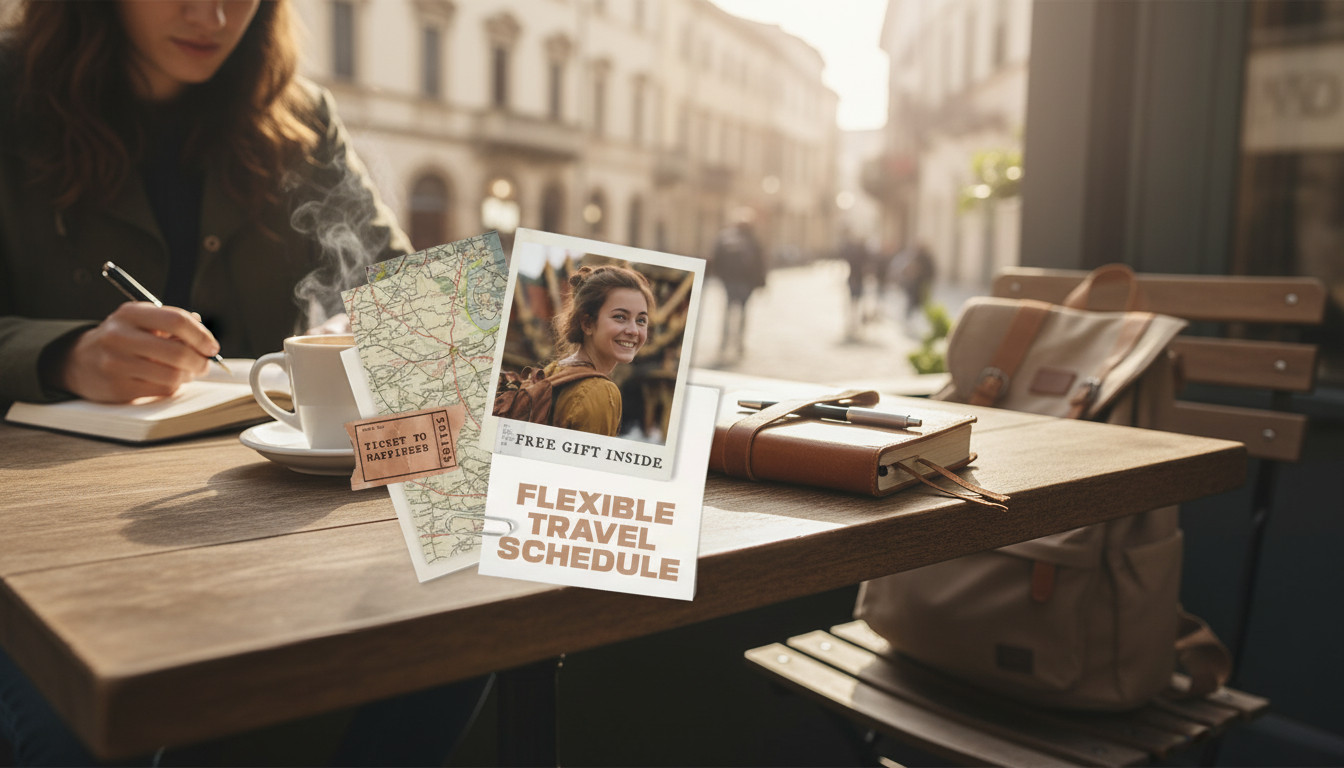
Mastering the Art of a Flexible Travel Schedule: A Practical Digital Guide for Modern Explorers
A flexible travel schedule keeps a trip feeling open and spontaneous while still protecting the essentials—sleep, transport, must-see experiences, and budget. The goal isn’t to plan less; it’s to plan smarter: set a few non-negotiables, build easy options around them, and leave intentional space for detours, weather changes, and local recommendations.
What a Flexible Schedule Really Means (and What It Doesn’t)
Flexibility isn’t the same thing as “no structure.” A flexible schedule is a plan designed to change without breaking—so when a museum is sold out, the weather flips, or you discover a neighborhood you want to linger in, the day still works.
Start by identifying your “trip anchors,” the pieces that rarely change: arrival and departure times, check-in/check-out windows, long-distance transport, and any ticketed activities with strict entry slots. These anchors keep the trip stable while everything around them stays adjustable.
Overbooking creates hidden costs that don’t show up on a spreadsheet: rushed meals, missed connections, surprise rideshares, cancellation fees, and that end-of-day burnout that makes even a dream destination feel like an errand. A practical rule that keeps things human: protect either mornings or evenings for real rest, and leave at least one open block per day for discovery—wandering, popping into a market, or taking a local’s recommendation without negotiating your whole itinerary.
Start with Anchors: The 20% That Stabilizes the Other 80%
Lock the few items that create the most friction if they change: flights or trains, first and last night lodging, and one “can’t-miss” experience. Everything else can remain a shortlist until you’re on the ground and know your energy level, the forecast, and the vibe of each area.
Anchor timing matters. Place a high-effort activity (a long walking tour, a hike, a big museum day) after a rest-friendly night—not immediately after transit day. When possible, build buffer zones around anchors: 60–120 minutes for city transfers and station/airport variability, and an extra half-day after long-haul travel to recover and reduce ripple-effect stress.
To keep decisions emotionally easy, label activities with a simple priority system: Must / Nice / Optional. When something changes, you’ll know what to protect first, what to swap, and what to drop without second-guessing.
Anchor planning checklist
| Anchor type | Lock it in? | Suggested buffer | Common pitfalls |
|---|---|---|---|
| Arrival/departure transport | Yes | 2–4 hours around airport/train time | Underestimating transfers and lines |
| Accommodation check-in/out | Yes | 1–2 hours | No plan for early arrival or late departure |
| Ticketed attractions/tours | Only for top priorities | 30–90 minutes | Stacking tickets back-to-back |
| Restaurant reservations | Occasionally | 30–60 minutes | Booking every dinner and losing local flexibility |
| Day trips between cities | Sometimes | Half-day | No contingency for delays or weather |
Build a “Choose-Your-Own-Day” Template
A repeatable daily structure makes flexibility feel effortless. Use three windows: one main activity window, one flexible window, and one recovery window. This prevents the common trap of filling every hour while still giving your day a clear shape.
For anything that isn’t an anchor, switch from exact times to time blocks. “Late morning museum” is easier to move than “11:00 museum,” and it reduces the stress that comes from a single late train or a slow breakfast. Keep your options grouped by neighborhood (or along one transit line) so spontaneous choices don’t trigger long commutes.
Finally, write two versions of each day: Plan A for best conditions and Plan B for rain, low energy, or day-of surprises. Plan B should still feel like a win—think covered markets, scenic cafes, shorter activities, or a single area you can explore on foot.
Smart Buffers: The Secret to Feeling Unrushed
Tools and Systems That Keep Plans Flexible
Save offline essentials before you leave Wi-Fi: your accommodation address, key tickets, and an offline map of the area you’ll be walking. For travel readiness and safety updates, check the U.S. Department of State travel information and the TSA travel tips so your anchor timing includes real-world screening and entry requirements.
Budget and Booking Strategies That Preserve Freedom
If you like having numbers that support your spontaneity, a lightweight spreadsheet makes it easier to say yes without guessing. The How to Build a Budget in Excel (Even If You’re Not a Numbers Person) guide is a practical companion for tracking anchors, daily spending, and a dedicated flex fund.
Putting It All Together with the Digital Guide
If you want a repeatable system you can use for weekend getaways and multi-country trips, the Mastering the Art of a Flexible Travel Schedule digital guide walks you through anchoring first, then building daily blocks that can shift without stress.
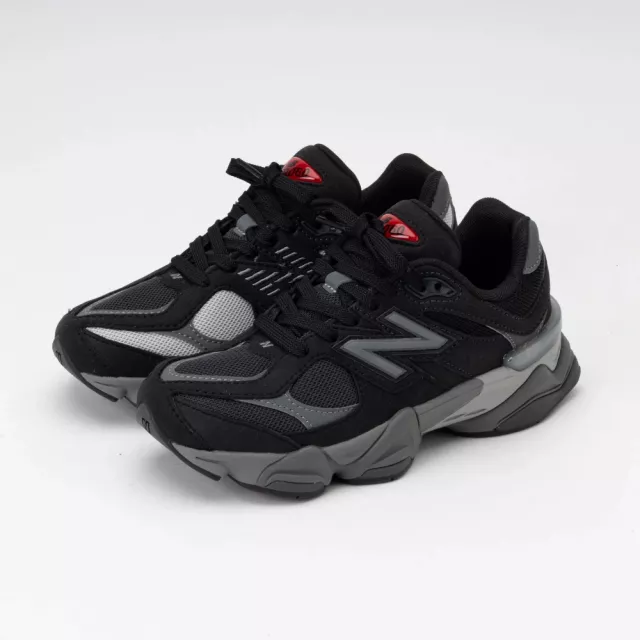
And because comfort supports flexibility, reliable walking shoes can make it easier to choose the “let’s explore a little more” option without paying for it later. If you’re refreshing your travel staples, consider supportive slip-ons like the New Balance Women’s White Slip-On Sneakers for easy on/off at airports and long city days.
FAQ
How many activities should be planned per day to keep a schedule flexible?
Plan one primary activity (a highlight or anchor) plus 1–2 optional choices. Leave at least one open block for rest, wandering, or a same-day recommendation.
How far in advance should tickets and tours be booked for a flexible trip?
Book only top priorities early, especially if they sell out. Keep the rest as shortlist options and favor refundable or change-friendly providers when you can.
What should be done when weather or transit delays disrupt the plan?
Switch to a pre-made Plan B, stay within one neighborhood, and protect the next anchor first. Drop optional items without trying to rebuild the entire day.















Leave a comment